Panchakarma for Autoimmune Conditions — Can Ayurveda Help?
How Panchakarma detoxification and immune rebalancing support autoimmune conditions like rheumatoid arthritis and lupus. Era Ayurveda, Gurgaon.
Autoimmune conditions — rheumatoid arthritis, lupus, Hashimoto's thyroiditis, ankylosing spondylitis — represent modern medicine's most frustrating category. The immune system attacks the body's own tissues, and conventional treatment focuses almost entirely on suppressing that immune response with increasingly powerful medications. At Era Ayurveda in Sector 51, Gurugram, our doctors offer a complementary approach: using Panchakarma to address the underlying toxicity and immune dysregulation that drives autoimmune activity.
Why are immunosuppressants not the complete answer for autoimmune conditions?
Immunosuppressant medications — methotrexate, hydroxychloroquine, biologics like adalimumab — work by dampening the immune system's activity. They are often necessary and can be life-changing. But they carry significant trade-offs: increased infection risk, liver toxicity with long-term use, and the fundamental problem that they manage the disease without addressing why the immune system became dysregulated in the first place.
Many patients at our Gurgaon clinic arrive on stable immunosuppressant regimens but still experience flares, fatigue, and gradual progression. They are looking not to replace their medications but to address the deeper dysfunction. This is where Panchakarma offers a dimension that pharmacology alone cannot provide.
How does Ayurveda understand autoimmunity?
Ayurvedic texts do not use the term autoimmunity, but they describe the pathological mechanism with remarkable precision. The concept involves two concurrent processes: accumulation of Ama (metabolic toxins from impaired digestion) and deranged Vata that carries this Ama into tissues where it does not belong.
When Ama lodges in joint tissues, it triggers the inflammation pattern seen in rheumatoid arthritis (called Amavata in Ayurvedic literature). When it settles in the thyroid, it disrupts thyroid function. When it affects skin and connective tissue, it produces lupus-like presentations. In every case, the Ayurvedic understanding points to two treatable root factors: the production of Ama (impaired digestion) and the carrying of Ama to vulnerable tissues (deranged Vata).
At Era Ayurveda in Gurugram, our doctors assess autoimmune patients through this dual lens — identifying the specific pattern of Ama accumulation and Vata derangement unique to each patient's condition.
How does Virechana remove systemic Ama from the body?
Virechana (therapeutic purgation) is the primary Panchakarma procedure for removing Pitta-dominant Ama from the system. In autoimmune conditions, inflammation is the hallmark — and inflammation is a Pitta phenomenon. Virechana directly cleanses the Pitta pathway: liver, gallbladder, and small intestine.
The protocol at our Sector 51 clinic begins with internal oleation using medicated ghee (typically Panchatikta Ghrita for autoimmune presentations). Over 3–5 days of increasing ghee intake, the lipophilic medium penetrates deep tissues and loosens Ama that has been lodged in joints, connective tissue, and organs. Following external oleation and sudation, the actual Virechana day uses herbal purgatives to expel the mobilised toxins through the intestinal tract.
Patients often notice reduced joint stiffness and improved energy within days of a well-executed Virechana. This is not placebo — it is the measurable effect of reducing the systemic inflammatory load that drives autoimmune symptoms.
Why is Basti essential for correcting the Vata component?
If Virechana addresses the Pitta (inflammatory) component of autoimmunity, Basti (medicated enema therapy) addresses the equally important Vata component. Remember: in the Ayurvedic understanding, it is deranged Vata that carries Ama to vulnerable tissues. Without correcting Vata, the pattern continues even after Ama is reduced.
Basti therapy at Era Ayurveda in Gurgaon for autoimmune patients typically involves alternating Niruha Basti (herbal decoction enemas using Dashamooladi formulations) and Anuvasana Basti (oil-based enemas using medicated sesame or castor oils). A course of 8–16 Bastis over as many days directly pacifies Vata in its primary seat — the colon — and through the colon's systemic connection, reduces Vata derangement throughout the body.
For rheumatoid arthritis patients specifically, this combination of Virechana followed by Basti often produces improvements in joint mobility and morning stiffness that persist well beyond the treatment period.
What role does Raktamokshana play in blood purification?
Raktamokshana (blood purification) is one of the five classical Panchakarma procedures, though it is used selectively. In autoimmune conditions where the blood tissue (Rakta Dhatu) is significantly affected — such as lupus, psoriatic arthritis, or vasculitis — Raktamokshana can be indicated.
At our Gurugram clinic, our doctors use leech therapy (Jalaukavacharana) as the primary Raktamokshana method for autoimmune patients. Medicinal leeches release bioactive compounds including hirudin (anticoagulant), hyaluronidase (anti-inflammatory), and other enzymes that have documented immunomodulatory effects. This is not folk medicine — leech therapy is approved by the FDA for specific medical applications and is the subject of ongoing clinical research.
Raktamokshana is not prescribed for all autoimmune patients. Our doctors assess whether the blood tissue involvement warrants this procedure based on detailed clinical examination.
How do herbal immunomodulators support the Panchakarma protocol?
Panchakarma detoxification is complemented by herbal medicines that modulate rather than suppress immune function. The distinction is critical: immunosuppressants reduce overall immune activity, while immunomodulators help the immune system distinguish between self and non-self more accurately.
Key herbs prescribed at Era Ayurveda include Guduchi (Tinospora cordifolia) — extensively researched for its immunomodulatory properties, with studies showing it can upregulate protective immune responses while reducing autoimmune inflammatory activity. Ashwagandha (Withania somnifera) supports the stress-immune axis and has demonstrated anti-inflammatory effects in clinical trials. Amalaki (Emblica officinalis) provides antioxidant protection against the tissue damage caused by chronic inflammation.
Our doctors prescribe these as part of a structured post-Panchakarma protocol, with specific formulations and dosages tailored to each patient's condition and current medication regimen.
What are realistic expectations for autoimmune patients?
Honesty about outcomes is essential. Panchakarma is not a cure for autoimmune conditions. No responsible Ayurvedic physician will claim otherwise. What Panchakarma can offer is a meaningful reduction in inflammatory load, improved response to existing medications, reduced frequency and severity of flares, improved energy and quality of life, and potential for gradual medication dose reduction under the supervision of the patient's rheumatologist or immunologist.
At Era Ayurveda in Sector 51, Gurugram, our doctors work alongside patients' existing medical teams. Panchakarma is offered as a complementary approach, not a replacement for immunosuppressive therapy. Patients are advised to continue their prescribed medications and to discuss any changes with their treating physician. The long-term protocol typically involves 2–3 Panchakarma cycles per year, combined with ongoing herbal medication and dietary management.
Ready to start your treatment?
If you are living with an autoimmune condition and looking for a complementary approach that addresses root causes alongside your existing treatment, we can help. Visit our general wellness treatment page to learn about our integrative approach, or message us on WhatsApp to book your consultation at Dr. Era Ayurveda, Sector 51, Gurugram.
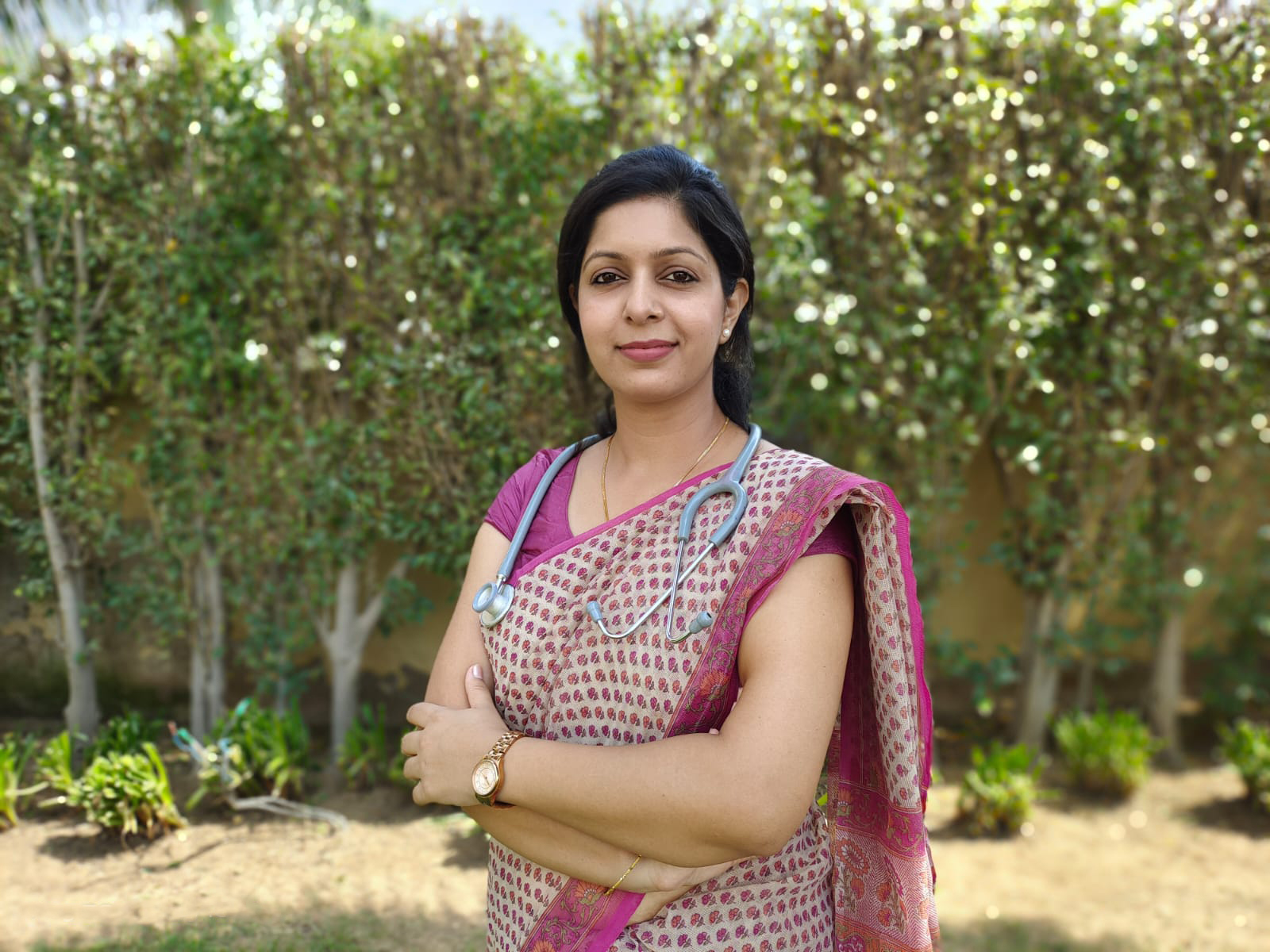
Dr. Era Ayurveda Medical Team
Doctor-reviewed · Gurugram, Haryana
Continue Reading
Related Articles
Your first consultation
Have Questions? Talk to Our Doctors.
Get a personalised Ayurvedic assessment — your first consultation is complimentary.
Book a Consultation