Ayurvedic Treatment for Cervical Spondylosis in Gurgaon — What to Expect
How Panchakarma treats cervical spondylosis, neck pain, and stiffness through Greeva Basti and Nasya. Era Ayurveda, Sector 51, Gurugram.
Cervical spondylosis has become remarkably common among working professionals in Gurgaon. Hours spent at desks, prolonged laptop use, and the forward-head posture that comes with constant phone checking have made neck pain, stiffness, and radiating arm pain a near-universal complaint in our clinic at Era Ayurveda. Many patients arrive after exhausting the conventional pathway: painkillers, muscle relaxants, physiotherapy sessions, and cervical pillows — all providing partial, temporary relief.
Ayurvedic treatment for cervical spondylosis addresses the degenerative process itself, not just the pain it produces.
Why Do Painkillers and Physiotherapy Provide Only Partial Relief?
Conventional management of cervical spondylosis focuses on two objectives: reducing pain and improving range of motion. NSAIDs (non-steroidal anti-inflammatory drugs) like diclofenac and ibuprofen reduce inflammation and pain temporarily. Physiotherapy strengthens supporting muscles and improves mobility. Both are valuable — but neither addresses the underlying degenerative changes in the cervical vertebrae and intervertebral discs.
Cervical spondylosis involves progressive dehydration and degeneration of the cervical discs, formation of osteophytes (bone spurs), and narrowing of the spinal canal or neural foramina. These structural changes compress nerves and irritate surrounding soft tissues. Pain relief without addressing tissue nourishment and degeneration means the condition continues to progress silently even when symptoms are temporarily controlled.
At Era Ayurveda in Gurgaon, we frequently see patients whose MRI shows progressive disc changes despite years of physiotherapy. This is not a failure of physiotherapy — it is simply the limitation of an approach that does not address tissue-level nourishment.
How Does Ayurveda Understand Cervical Spondylosis?
In Ayurvedic medicine, cervical spondylosis is understood as a Vata disorder affecting the Greeva (neck) region, specifically involving depletion of Asthi dhatu (bone tissue) and Majja dhatu (marrow/nervous tissue).
Vata dosha governs all movement, nerve conduction, and degenerative processes in the body. When Vata becomes aggravated in the cervical region — through poor posture, cold exposure, irregular lifestyle, ageing, or excessive physical or mental strain — it dries out the lubricating and nourishing elements of the cervical spine. The discs lose hydration, bones develop irregular growths, and nerves become compressed or irritated.
This understanding is significant because it shifts the treatment goal from pain suppression to tissue nourishment and Vata pacification. The aim is to restore lubrication to degenerated structures, reduce nerve irritation, and slow or halt the degenerative process.
Our doctors at Era Ayurveda, Sector 51, Gurugram, assess the degree of Vata aggravation, the specific dhatus involved, and any associated dosha imbalances before designing a treatment protocol.
How Does Greeva Basti Work for Cervical Spondylosis?
Greeva Basti is the signature Panchakarma procedure for cervical spondylosis, and it is one of the most effective localised treatments we administer at Era Ayurveda, Gurgaon.
The procedure involves creating a well (basti) on the back of the neck using a dough ring made from black gram flour. This well is then filled with warm, medicated herbal oil and maintained at a consistent therapeutic temperature for 30–45 minutes. The oil is periodically replaced to maintain warmth throughout the session.
The sustained warmth and herbal penetration of the medicated oil:
- ✓Deeply lubricates dehydrated cervical discs and surrounding tissues
- ✓Reduces muscle spasm and stiffness in the paravertebral muscles
- ✓Nourishes Asthi and Majja dhatus directly at the site of degeneration
- ✓Pacifies localised Vata, reducing nerve irritation and pain
- ✓Improves blood circulation to the cervical region, promoting tissue repair
Greeva Basti is typically administered daily for 7–14 consecutive days as part of a comprehensive treatment programme. Patients commonly report noticeable improvement in neck mobility and reduction in radiating pain within the first 4–5 sessions.
What Role Does Nasya Play in Head and Neck Disorders?
Nasya (nasal administration of medicated oils or herbal preparations) is a critical Panchakarma procedure for all disorders above the clavicle — including cervical spondylosis, headaches, and neurological symptoms in the head–neck region.
In Ayurveda, the nose is considered the gateway to the head (Shiras). Medicated oils administered through the nasal passages reach the brain and cervical nerve roots through direct absorption, bypassing the digestive system entirely. This makes Nasya particularly effective for conditions involving nerve compression and neurological symptoms such as numbness, tingling, or radiating pain in the arms.
At Era Ayurveda in Gurugram, Nasya is administered after proper preparation of the head and neck region through facial oil massage and localised steam application. The specific oil used — such as Anu Taila or Shadbindu Taila — is selected based on the patient's doshic assessment and symptom pattern.
Nasya also addresses the commonly associated symptoms of cervical spondylosis: cervicogenic headaches, dizziness, and disturbed sleep due to neck pain.
What Other Panchakarma Therapies Are Used for Cervical Spondylosis?
At Era Ayurveda in Gurgaon, cervical spondylosis treatment typically involves a combination of procedures, not just Greeva Basti and Nasya in isolation.
Abhyanga (full-body or localised therapeutic oil massage) with Vata-pacifying medicated oils such as Dhanwantharam Taila or Ksheerabala Taila forms the foundation of daily treatment. The massage improves circulation, reduces muscle guarding, and facilitates deeper penetration of therapeutic oils.
Swedana (herbal steam therapy) is administered after Abhyanga to open the body's channels (Srotas), enhance oil absorption, and reduce stiffness. For cervical conditions, Nadi Swedana (localised steam directed through a tube) is often preferred, allowing precise application of steam to the neck and shoulder region.
Patra Pinda Sweda (herbal bolus fomentation) uses cloth bundles filled with medicated herbs, fried in warm oil, and applied to the affected area. This provides both thermal therapy and herbal penetration, and is particularly effective for reducing inflammation and spasm in the cervical paraspinal muscles.
How Long Does Ayurvedic Treatment Take, and What Lifestyle Changes Prevent Recurrence?
A typical treatment programme for cervical spondylosis at Era Ayurveda involves 14–21 days of daily Panchakarma followed by 2–4 months of herbal medication and lifestyle modification.
Most patients experience significant pain reduction and improved mobility within the first 7–10 days of treatment. However, addressing the underlying degenerative changes and preventing recurrence requires sustained effort.
Lifestyle modifications we recommend include:
- ✓Workstation ergonomics: Monitor at eye level, shoulders relaxed, forearms parallel to the desk. Take micro-breaks every 30 minutes to move the neck through its range of motion.
- ✓Cervical exercises: Specific neck strengthening and stretching exercises prescribed by our doctors, performed daily.
- ✓Sleep posture: Use a thin, supportive pillow. Avoid sleeping on a very high pillow or in a prone position.
- ✓Avoid cold exposure: Keep the neck covered during air conditioning exposure and winter months. Cold directly aggravates Vata.
- ✓Regular self-oil application: Warm sesame oil massage to the neck and shoulders 2–3 times per week maintains tissue nourishment between clinic sessions.
Who Is a Good Candidate for Ayurvedic Treatment of Cervical Spondylosis?
Ayurvedic treatment is appropriate for patients with mild to moderate cervical spondylosis (Grades 1–3), chronic neck pain and stiffness, cervicogenic headaches, and radiating pain or numbness in the arms that has not responded adequately to conventional management.
Patients with severe spinal cord compression (myelopathy) or progressive neurological deficits should be evaluated surgically before pursuing Ayurvedic treatment. Our doctors at Era Ayurveda always review your MRI findings and neurological examination before recommending a treatment plan.
At Era Ayurveda in Sector 51, Gurugram, we offer an initial consultation where our doctors review your imaging, assess your symptoms, and determine whether Panchakarma is appropriate for your specific condition.
To book your consultation, contact us on WhatsApp at +91 9717167570 or visit our clinic at L-13, opposite Ocus Quantum, Mayfield Garden, Sector 51, Gurugram. Cervical spondylosis responds remarkably well to sustained Ayurvedic treatment — especially when addressed before advanced degeneration sets in.
Ready to start your treatment?
Learn more about our approach on our pain and joints treatment page, or book your consultation on WhatsApp.
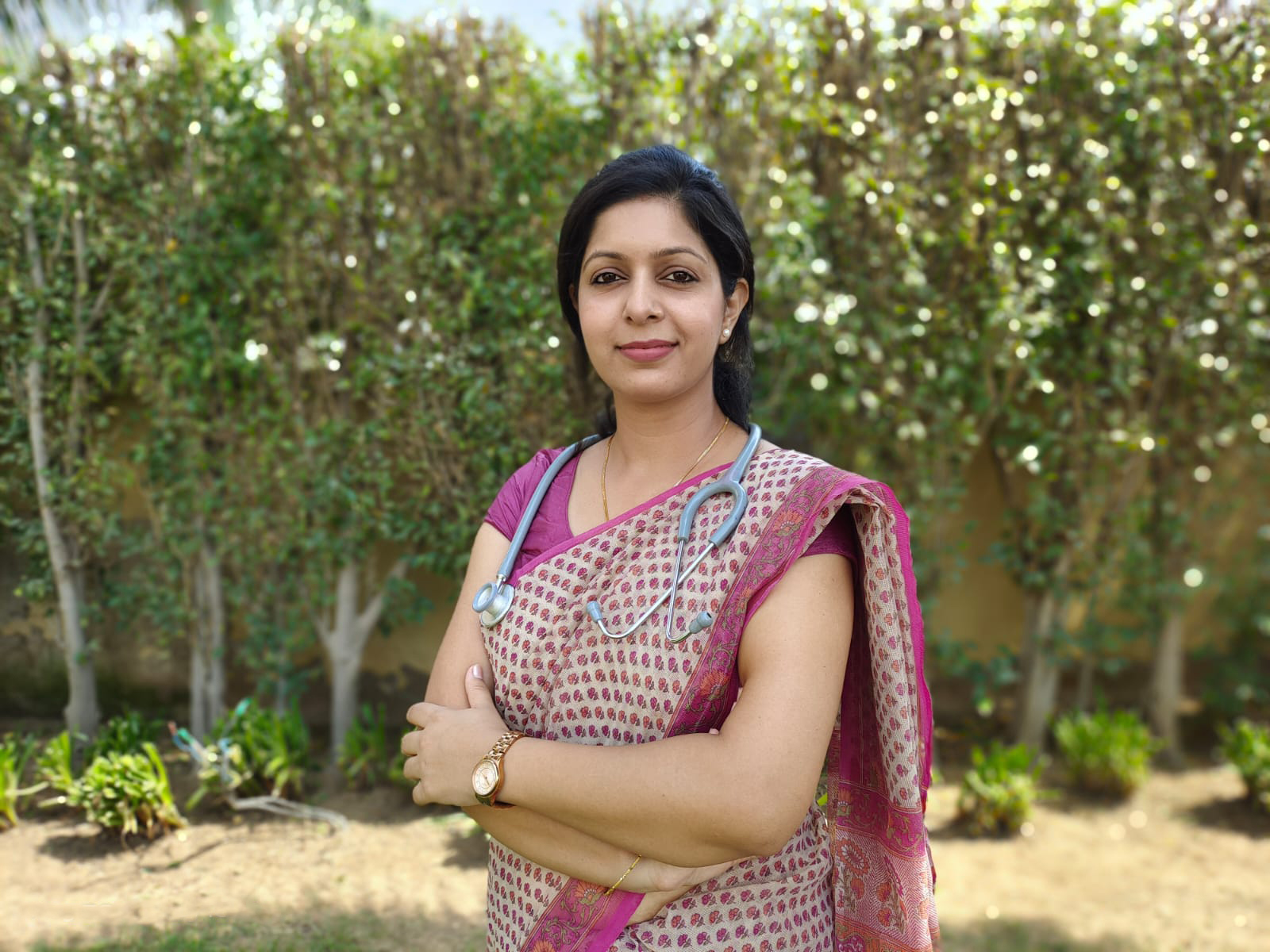
Dr. Era Ayurveda Medical Team
Doctor-reviewed · Gurugram, Haryana
Your first consultation
Have Questions? Talk to Our Doctors.
Get a personalised Ayurvedic assessment — your first consultation is complimentary.
Book a Consultation