Ayurvedic Treatment for Eczema in Gurgaon — What to Expect
How Panchakarma treats eczema and chronic skin conditions from within — without steroids. Era Ayurveda, Sector 51, Gurugram.
Eczema is one of the most frustrating conditions to live with. The relentless itch, the cracked and inflamed skin, the unpredictable flare-ups that seem to resist every cream and ointment prescribed. At Era Ayurveda in Gurgaon, we see patients who have been through years of topical steroids, immunosuppressants, and antihistamines — treatments that suppress symptoms during use but never prevent the next flare.
At our Panchakarma clinic in Sector 51, Gurugram, we treat eczema by addressing the internal imbalances that manifest as skin disease. This post explains the Ayurvedic understanding of eczema, the specific therapies involved, and what a realistic treatment timeline looks like.
Why Do Steroids Only Provide Temporary Relief for Eczema?
Topical corticosteroids are the first-line treatment for eczema in conventional dermatology. They work by suppressing the local immune response in the skin, reducing inflammation, redness, and itching. They are effective at controlling acute flares. But they do not address why the skin keeps flaring.
Eczema is not primarily a skin disease — it is a systemic condition that manifests through the skin. The immune dysregulation, gut dysfunction, and inflammatory cascades that drive eczema exist throughout the body. Topical steroids address the downstream symptom (skin inflammation) while the upstream causes — impaired digestion, blood toxicity, immune dysfunction — continue unabated.
Long-term steroid use creates additional problems: skin thinning (atrophy), steroid dependency (topical steroid withdrawal), increased susceptibility to skin infections, and rebound flares that are often worse than the original condition. This cycle of suppression and rebound is precisely what drives many patients to seek Ayurvedic treatment.
How Does Ayurveda Understand Eczema?
Ayurveda classifies eczema and related skin conditions under Vicharchika and Kushtha (skin diseases). The Ayurvedic understanding is that skin diseases originate from within — specifically from vitiation of Rakta (blood tissue) and the doshas that contaminate it.
Eczema typically involves a Pitta-Kapha imbalance with Raktadushti (blood toxicity). Aggravated Pitta (heat and inflammation) heats the blood, producing the redness, burning, and inflammatory response characteristic of eczema. Kapha involvement creates the oozing, crusting, and thickened skin patches. When Vata is also involved, dryness, cracking, and severe itching predominate.
The root cause, however, lies deeper — in impaired Agni (digestive fire). When Agni is weak or irregular, food is incompletely digested, producing Ama (metabolic toxins). This Ama enters the bloodstream, combines with aggravated Pitta and Kapha, and deposits in the skin — the body's largest eliminatory organ — producing the characteristic lesions of eczema.
This understanding explains why eczema often worsens with dietary indiscretions, digestive disturbances, and stress — all factors that increase Ama production and dosha aggravation.
What Panchakarma Therapies Are Used for Eczema?
At Era Ayurveda in Gurgaon, eczema treatment centres on purifying the blood and eliminating the internal toxins that drive skin inflammation. The primary therapies include:
Virechana (Therapeutic Purgation): This is the most important Panchakarma procedure for eczema. Virechana eliminates aggravated Pitta and accumulated Ama from the liver, blood, and digestive tract. The liver is the primary organ of blood purification in both Ayurvedic and modern understanding, and Virechana directly enhances hepatic detoxification. After proper preparation with internal oleation and external therapies, Virechana is administered under medical supervision. Most patients notice a significant reduction in skin inflammation within days of Virechana.
Lepam (Herbal Paste Application): Lepam involves applying freshly prepared herbal pastes directly to the affected skin areas. Unlike steroid creams, these pastes work by drawing out toxins from the skin, reducing local inflammation through herbal action, and providing nutrients to the damaged skin tissue. The specific herbs used in Lepam vary based on the type of eczema — Pitta-dominant (red, burning, inflamed) versus Kapha-dominant (oozing, thick, crusty) versus Vata-dominant (dry, cracked, intensely itchy).
Takradhara: This therapy involves a continuous stream of medicated buttermilk poured over the forehead or the affected body areas. Takradhara is particularly beneficial for eczema patients because buttermilk has natural Pitta-pacifying and blood-cooling properties. When medicated with specific herbs like Amalaki (Indian gooseberry) or Musta (Cyperus rotundus), it provides both systemic cooling and local skin healing.
What Dietary Restrictions Are Important During Eczema Treatment?
Diet is arguably the most critical component of Ayurvedic eczema treatment. At Era Ayurveda, dietary guidelines are strict during the active treatment phase because the connection between digestion and skin health is direct and immediate.
Foods that must be strictly avoided during treatment include all fermented foods (including idli, dosa, yoghurt, and vinegar-based preparations), sour foods, seafood (particularly shellfish), excess salt, refined sugar, deep-fried foods, processed and packaged foods, alcohol, and incompatible food combinations (Viruddha Ahara) such as milk with fish, fruit with milk, or honey cooked at high temperatures.
Foods that support skin healing include bitter vegetables (bitter gourd, neem leaves, fenugreek), old rice, barley, moong dal, ghee (in moderate quantities — ghee is specifically Pitta-pacifying), turmeric, coriander, and fresh seasonal fruits (except citrus during acute flares).
These dietary restrictions are not arbitrary — each category of restricted food either aggravates Pitta, increases Ama production, or directly contaminates Rakta (blood tissue). Patients who adhere strictly to the dietary protocol consistently achieve faster and more sustained results.
What Is the Expected Timeline for Skin Healing?
Skin healing follows a specific pattern in Panchakarma treatment, and setting realistic expectations is important. At Era Ayurveda, we explain this timeline clearly during the first consultation.
During the first 7–10 days of Panchakarma treatment, many patients experience a temporary increase in skin symptoms. This is called a "healing crisis" and occurs because the body is actively mobilising and eliminating toxins from the tissues. The skin, as an eliminatory organ, may temporarily exhibit more redness, itching, or discharge as these toxins are expelled. This phase, while uncomfortable, is actually a positive sign that treatment is working.
By weeks 2–3, visible improvement typically begins. Redness decreases, itching reduces significantly, and new skin lesions stop appearing. Existing lesions begin to flatten and lose their angry, inflamed appearance.
Over months 2–3 (with continued herbal medicines and dietary adherence after completing the active Panchakarma phase), skin texture progressively normalises. Hyperpigmentation fades gradually, skin barrier function improves, and flare frequency decreases markedly.
Full resolution of chronic eczema typically takes 3–6 months of combined Panchakarma therapy, herbal medicines, and dietary discipline. The duration depends on the chronicity of the condition, the extent of previous steroid use, and how strictly the patient follows dietary and lifestyle guidelines.
What Happens During the First Consultation?
Your first consultation at Era Ayurveda is a detailed 45–60 minute assessment. Our doctors evaluate your skin condition from the Ayurvedic perspective, examining the nature of lesions (dry, oozing, crusted), distribution pattern, triggers, and chronicity. Your current medications — including topical steroids, immunosuppressants, and antihistamines — are reviewed.
The Ayurvedic assessment includes Nadi Pariksha (pulse diagnosis) to determine your Prakriti and current doshic imbalance, evaluation of Agni and Ama levels, and detailed dietary and lifestyle history. Based on this comprehensive assessment, our doctors design a treatment programme specific to your type and severity of eczema.
Your first consultation at Dr. Era Ayurveda is a thorough clinical assessment, with no package selling, that helps you understand your condition from a completely different medical perspective.
Book your first consultation today.
Call or WhatsApp: +91 9717167570
Visit us at: Era Ayurveda, L-13, opp. Ocus Quantum, Mayfield Garden, Sector 51, Gurugram, Haryana 122011
Ready to start your treatment?
Learn more about our approach on our skin conditions treatment page, or book your consultation on WhatsApp.
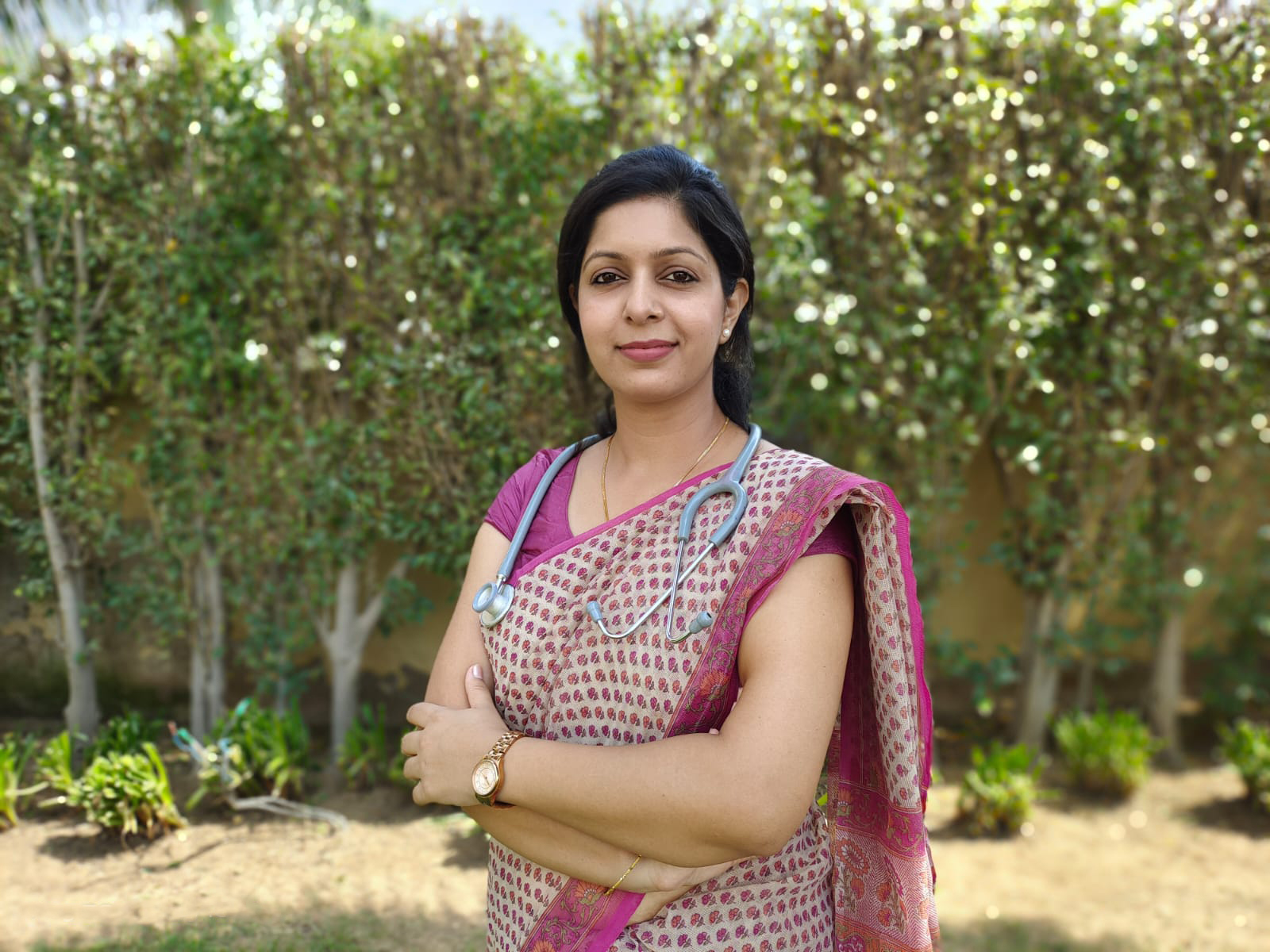
Dr. Era Ayurveda Medical Team
Doctor-reviewed · Gurugram, Haryana
Your first consultation
Have Questions? Talk to Our Doctors.
Get a personalised Ayurvedic assessment — your first consultation is complimentary.
Book a Consultation