Why Psoriasis Flares Keep Coming Back — And the Virechana Protocol That Breaks the Cycle
Steroid creams suppress psoriasis flares. They do not stop them returning. The Virechana protocol targets the blood-level imbalance that drives the cycle.
The flare cycle
If you have lived with psoriasis for more than a year, you know this cycle intimately. A flare appears — red, scaly, sometimes cracking and bleeding. You apply the steroid cream. The skin clears. You taper off. The flare returns. Sometimes in the same place. Sometimes spreading to new areas.
Each cycle, the steroid works a little less effectively. Each cycle, the flare-free interval gets a little shorter. Each cycle, you need a slightly stronger preparation.
This is not treatment failure. The steroids are doing exactly what they are designed to do. The problem is what they cannot do.
What steroids actually do
Topical and oral corticosteroids suppress the immune response that causes the visible inflammation — the redness, scaling, and thickening of psoriatic plaques. They work by damping down the immune system's activity at the skin level.
What they do not do is address why the immune system is attacking the skin in the first place. The moment the immunosuppression is lifted — when you taper or stop the steroid — the underlying immune dysregulation reasserts itself. The trigger is still there. The flare returns.
Psoriasis is not a skin condition
This is the most important thing to understand about psoriasis. It presents on the skin. It is diagnosed through the skin. It is treated on the skin. But it is not a skin condition.
Psoriasis is an immune-mediated inflammatory condition that expresses through the skin. The skin is the site of the symptom, not the source of the disease.
In Ayurveda's clinical understanding, the source is a Pitta-Rakta imbalance — an accumulation of heat and toxins in the blood (Rakta dhatu) that the body attempts to eliminate through the skin. The skin becomes the body's overflow valve for a blood-level problem.
Until the blood is actually cleansed and the Pitta excess eliminated, the skin will continue to be the site of that expression — regardless of how effectively you suppress each individual flare.
The Virechana protocol
Virechana is the classical Panchakarma therapy specifically indicated for Pitta-Rakta conditions. It is the primary treatment for psoriasis in Ayurveda — not as a complementary therapy, but as the central intervention.
Virechana works by inducing controlled therapeutic purgation that eliminates accumulated Pitta and Ama from the blood and gastrointestinal tract. This is not a casual cleanse. It is a structured medical protocol performed under doctor supervision over several weeks.
Preparation phase (7 to 14 days). Internal oleation — the patient takes increasing doses of medicated ghee (Tikta Ghrita is the classical preparation for skin conditions) that loosens Ama from the tissues and channels. External oleation and steam therapy follow. This phase prepares the body to release accumulated toxins.
Purification phase (1 to 3 days). The actual Virechana — controlled purgation using specific classical formulations calibrated to the patient's constitution and condition severity. This eliminates the accumulated Pitta-Rakta toxins from the body.
Restoration phase (7 to 14 days). Graduated return to normal diet. Rasayana formulations begin — classical preparations that rebuild the immune system's correct function and prevent recurrence.
What happens to the skin
The timeline varies by patient and severity, but at Era Ayurveda in Gurgaon, the typical trajectory is:
Weeks 1 to 2 during preparation — active inflammation often reduces even before Virechana is performed. The oleation itself begins calming the Pitta aggravation.
Weeks 2 to 4 after Virechana — visible reduction in plaque thickness and redness. Itching reduces significantly. New flares stop appearing.
Months 2 to 3 — 50 to 70 percent reduction in affected area. Existing plaques continue to lighten and thin. Sleep improves (itching no longer disrupts it).
Month 3 to 6 — stabilisation. The Rasayana phase prevents recurrence by maintaining the corrected blood quality. Steroid dependence reduces — gradually, under doctor supervision.
Supporting therapies
Virechana is the primary intervention, but our doctors at Era Ayurveda typically prescribe supporting therapies alongside it:
Raktamokshana (blood-letting therapy) — specifically indicated for stubborn psoriatic plaques that do not respond to Virechana alone. Applied locally to the affected area.
Neem-based oral formulations — classical blood purifiers that maintain the Rakta cleansing between Virechana cycles.
Manjishtha and Sariva — classical formulations that support lymphatic drainage and blood purification.
Dietary protocol — elimination of Pitta-aggravating foods (fermented foods, excessive sour, excessive salt, alcohol) and emphasis on Pitta-pacifying nutrition.
Your current dermatology treatment continues
You do not stop your steroid creams or other dermatological medication. Our treatment runs alongside your existing care. Any reduction in steroid use happens only when our doctors see that the skin can maintain its improved state independently — gradually, with monitoring.
The goal is not to replace your dermatologist. The goal is to address the blood-level condition that your dermatologist's treatments cannot reach.
The consultation
If psoriasis has been managed with steroids but never treated at the root, the underlying Pitta-Rakta imbalance is still active. Our doctors at Era Ayurveda in Sector 51, Gurugram can assess your presentation and tell you whether a Virechana protocol is appropriate for your specific case.
Book a consultation with our doctors.
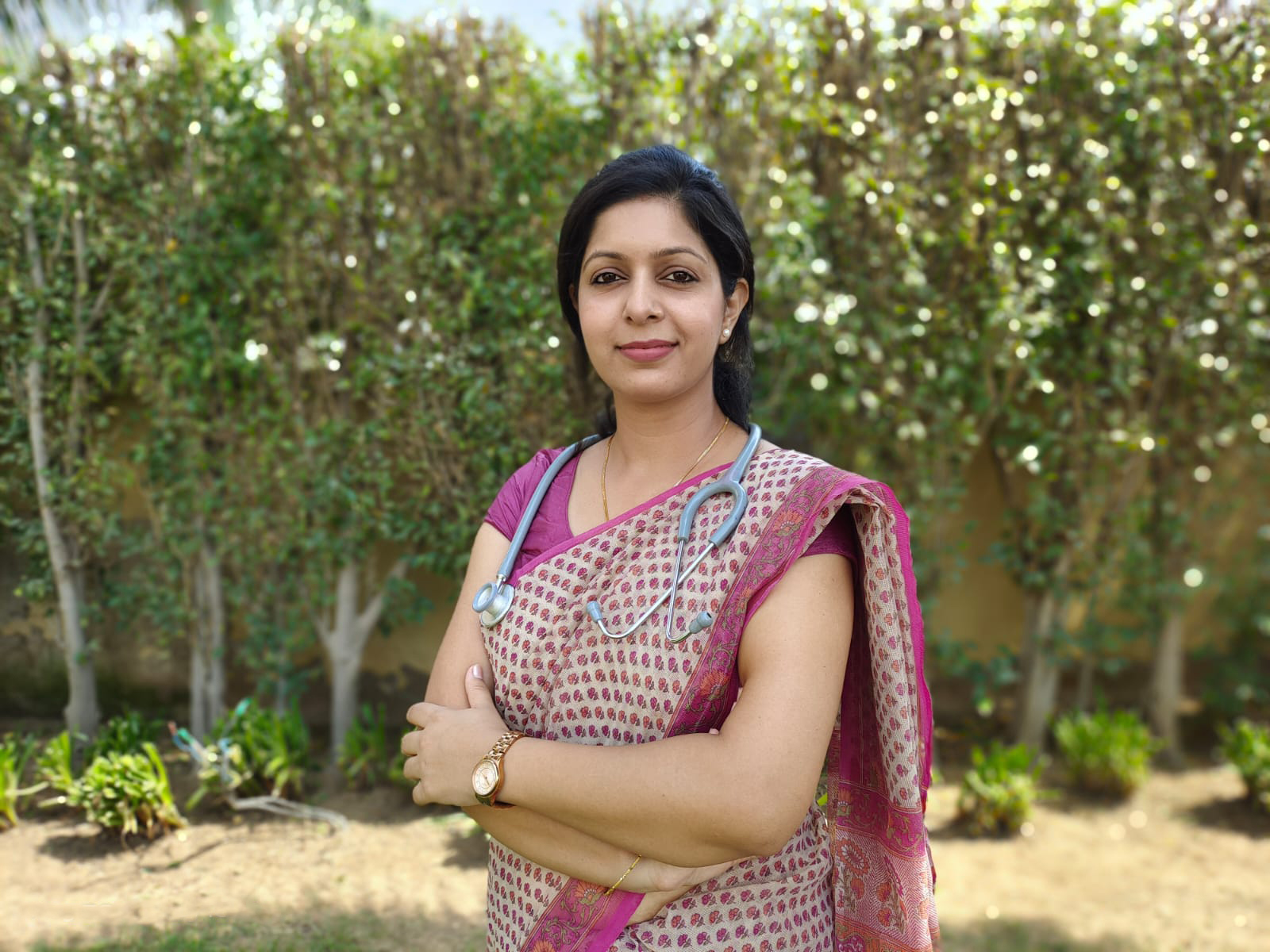
Dr. Era Ayurveda Medical Team
Doctor-reviewed · Gurugram, Haryana
Your first consultation
Have Questions? Talk to Our Doctors.
Get a personalised Ayurvedic assessment — your first consultation is complimentary.
Book a Consultation