Ayurvedic Treatment for Thyroid in Gurgaon — What to Expect
How Ayurveda addresses thyroid imbalance through Panchakarma detox, herbal medicines, and lifestyle correction. Era Ayurveda, Sector 51, Gurugram.
Thyroid disorders have become remarkably common among adults in Gurgaon and across urban India. At Era Ayurveda, we see patients every week who have been on thyroid medication for years — their TSH levels are controlled, but they still experience fatigue, weight gain, hair loss, mood fluctuations, and a persistent sense that something remains fundamentally off. This is because thyroid medication manages hormone levels without addressing why the thyroid became dysfunctional in the first place.
At our Panchakarma clinic in Sector 51, Gurugram, we treat thyroid disorders by correcting the underlying metabolic and doshic imbalances that drive thyroid dysfunction. This post explains the Ayurvedic approach to thyroid treatment, the therapies involved, and what results you can realistically expect.
Why Isn't Thyroid Medication Enough?
Thyroid medication — whether Levothyroxine for hypothyroidism or Carbimazole for hyperthyroidism — works by directly supplying or suppressing thyroid hormones. It is effective at normalising blood levels of T3, T4, and TSH. However, it does not address why the thyroid gland lost its ability to produce hormones correctly.
In most cases of hypothyroidism (the more common form we treat at Era Ayurveda), the underlying issue is Hashimoto's thyroiditis — an autoimmune condition where the body's own immune system attacks the thyroid gland. Medication replaces the hormones the damaged gland can no longer produce, but it does nothing to modulate the autoimmune response, reduce thyroid inflammation, or restore glandular function.
This is why patients on thyroid medication often continue to experience symptoms despite normal blood reports. The medication controls the numbers, but the disease process — chronic inflammation, immune dysregulation, impaired metabolism — continues unchecked.
How Does Ayurveda Understand Thyroid Disorders?
Ayurveda does not describe "thyroid disease" as a standalone diagnosis in the classical texts, since the thyroid gland was not identified as a discrete anatomical structure in ancient Indian medicine. However, the symptoms and metabolic patterns associated with thyroid dysfunction are thoroughly described under the concepts of Agni (metabolic fire) and dosha imbalance.
Hypothyroidism maps closely to a Kapha-Vata imbalance with depressed Agni. Kapha predominance explains the weight gain, lethargy, cold intolerance, sluggish digestion, and fluid retention. Vata involvement explains the dryness (dry skin, hair loss), constipation, anxiety, and irregular menstruation. The depressed Agni (metabolic fire) accounts for the impaired metabolism that defines hypothyroidism.
Hyperthyroidism, by contrast, maps to aggravated Pitta with overactive Agni — explaining the weight loss, heat intolerance, rapid heartbeat, irritability, and diarrhoea.
Treating thyroid disorders in Ayurveda means correcting these specific doshic imbalances, restoring Agni to its proper strength, clearing accumulated Ama (metabolic toxins), and strengthening the body's natural regulatory mechanisms.
What Panchakarma Therapies Are Used for Thyroid Treatment?
At Era Ayurveda in Gurgaon, thyroid treatment typically involves a structured Panchakarma programme lasting 14–21 days. The specific therapies depend on whether the condition is hypothyroid or hyperthyroid, and on the patient's individual constitution.
For hypothyroidism, the primary Panchakarma procedures include:
Virechana (Therapeutic Purgation): This is often the central procedure for hypothyroid patients. Virechana eliminates accumulated Kapha and Ama from the tissues, particularly from the digestive tract and liver. By clearing these metabolic toxins, Virechana helps restore Agni and improve the body's hormonal regulation. The procedure is performed after careful preparation with internal oleation (medicated ghee) and external therapies (Abhyanga and Swedana).
Nasya (Nasal Administration): The nasal passage is considered the gateway to the head region in Ayurveda, and the thyroid gland sits in the throat — anatomically close to the nasal and pharyngeal pathways. Nasya with specific medicated oils helps stimulate the throat region, support thyroid function, and clear Kapha congestion from the head and neck.
Udvartana (Herbal Powder Massage): Unlike Abhyanga which uses oils, Udvartana involves vigorous massage with dry herbal powders. This therapy is particularly beneficial for hypothyroid patients because it stimulates metabolism, helps reduce subcutaneous fat accumulation (a hallmark of Kapha predominance), and improves lymphatic drainage.
Which Herbal Formulations Are Used for Thyroid Treatment?
Ayurvedic treatment for thyroid disorders combines Panchakarma therapy with specific herbal medicines. At Era Ayurveda, our doctors prescribe formulations based on your individual assessment — there is no one-size-fits-all prescription.
Commonly used herbs and formulations for hypothyroidism include Kanchanar Guggulu, which is considered the primary Ayurvedic medicine for thyroid conditions. Kanchanar (Bauhinia variegata) has a specific affinity for the throat region and helps reduce thyroid swelling and support glandular function. Guggulu (Commiphora mukul) is a potent Kapha-reducing and Agni-stimulating resin that supports metabolism.
Other formulations that may be prescribed include Triphala Guggulu for metabolic support, Arogyavardhini Vati for liver function and metabolism, Punarnava for fluid retention, and Ashwagandha for stress modulation and hormonal balance. The specific combination, dosage, and duration are determined by your Ayurvedic physician and adjusted during follow-up consultations.
It is important to understand that Ayurvedic medicines for thyroid are not a replacement for thyroid medication. They work alongside it, addressing the underlying imbalances while medication maintains hormone levels. Many patients find that with sustained Ayurvedic treatment, their medication dosage can be gradually reduced under their endocrinologist's supervision.
How Does Thyroid Dysfunction Affect Weight and Energy?
Weight gain and persistent fatigue are the two most common complaints among hypothyroid patients at Era Ayurveda. These symptoms persist even after TSH normalisation because they are driven by the underlying Kapha-Vata imbalance, not just by low thyroid hormone levels.
In Ayurvedic understanding, the weight gain of hypothyroidism is a Kapha manifestation — increased earth and water elements creating heaviness, fluid retention, and sluggish metabolism. The fatigue combines Kapha lethargy (physical heaviness, lack of motivation) with Vata depletion (nervous exhaustion, poor sleep quality).
Panchakarma addresses both simultaneously. Virechana and Udvartana reduce Kapha accumulation and stimulate metabolism. Basti therapy pacifies Vata and restores nerve function and energy. Dietary modifications — emphasising warm, light, well-spiced foods and reducing cold, heavy, and excessively sweet foods — support the metabolic correction initiated by Panchakarma.
Patients typically report improved energy levels within the first week of treatment, with visible changes in weight and body composition developing over 2–3 months of combined Panchakarma therapy, herbal medicine, and dietary modification.
What Dietary Changes Does Ayurveda Recommend for Thyroid Patients?
Diet plays a central role in Ayurvedic thyroid management. For hypothyroid patients, dietary recommendations focus on stimulating Agni and reducing Kapha.
Foods to emphasise include warm, freshly cooked meals with digestive spices (ginger, black pepper, turmeric, cumin), light grains like barley and old rice, cooked vegetables (particularly bitter and pungent varieties), and adequate protein. Meals should be regular, moderate in quantity, and consumed warm.
Foods to minimise include cold foods and beverages, excessive dairy (especially cold milk, ice cream, and yoghurt), refined sugar and flour, fried and heavily processed foods, and raw cruciferous vegetables in large quantities. Soy products are also typically restricted.
Beyond specific foods, Ayurveda emphasises meal timing and eating habits. Eating the largest meal at midday when Agni is strongest, avoiding heavy meals after sunset, and leaving adequate gaps between meals (4–5 hours) are all part of the thyroid management protocol.
Our doctors at Era Ayurveda provide a detailed, personalised dietary plan during your treatment programme — not a generic list, but a structured protocol based on your constitution and specific imbalances.
What Happens During the First Consultation?
Your first consultation at Era Ayurveda is a comprehensive 45–60 minute assessment. Our doctors evaluate your condition from the Ayurvedic perspective while also reviewing your existing thyroid reports (TSH, T3, T4, thyroid antibodies). If you have recent blood work, bring it to your consultation.
The Ayurvedic assessment includes Nadi Pariksha (pulse diagnosis) to determine your Prakriti and current doshic imbalance, evaluation of Agni strength and Ama accumulation, and a thorough review of your symptoms, lifestyle, dietary habits, and medication history. Based on this comprehensive evaluation, our doctors design a treatment programme tailored to your specific condition.
You will leave your first consultation at Dr. Era Ayurveda with a clear understanding of your condition from the Ayurvedic perspective and a recommended treatment plan. There is no pressure to proceed — the goal is to help you make an informed decision.
Book your first consultation today.
Call or WhatsApp: +91 9717167570
Visit us at: Era Ayurveda, L-13, opp. Ocus Quantum, Mayfield Garden, Sector 51, Gurugram, Haryana 122011
Ready to start your treatment?
Learn more about our approach on our hormonal health treatment page, or book your consultation on WhatsApp.
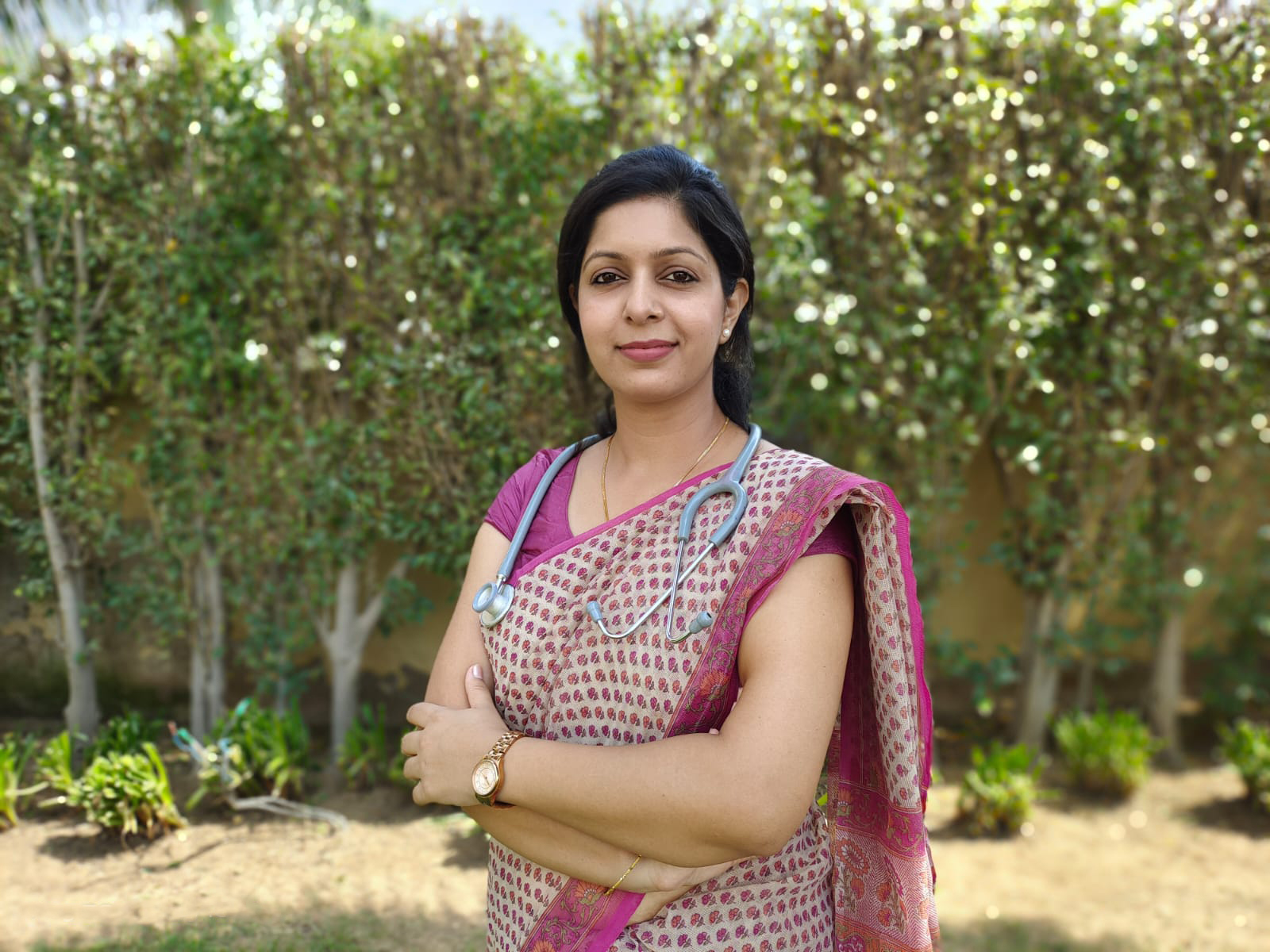
Dr. Era Ayurveda Medical Team
Doctor-reviewed · Gurugram, Haryana
Your first consultation
Have Questions? Talk to Our Doctors.
Get a personalised Ayurvedic assessment — your first consultation is complimentary.
Book a Consultation