Panchakarma for Psoriasis and Eczema — Treating Skin from Within
Why topical treatments fail for chronic skin conditions and how Panchakarma purifies the blood for lasting skin healing. Era Ayurveda, Gurgaon.
Chronic skin conditions like psoriasis and eczema frustrate millions of patients across India. Dermatologists prescribe topical steroids, immunosuppressants, and biologics — treatments that suppress symptoms but rarely address the underlying cause. At Era Ayurveda in Sector 51, Gurugram, our doctors take a fundamentally different approach: treating skin disease from within through Panchakarma detoxification.
Why do steroid creams stop working for psoriasis and eczema?
Topical corticosteroids work by suppressing the local immune response in the skin. Initially, the relief feels miraculous — redness fades, itching stops, plaques flatten. But the body adapts. Within weeks or months, you need stronger formulations. When you stop, the condition rebounds worse than before. This is called the steroid rebound cycle, and it traps patients in escalating dependency.
The fundamental problem is that psoriasis, eczema, and most chronic dermatoses are not skin diseases. They are systemic conditions that manifest on the skin. The skin is the body's largest elimination organ — when internal toxins (Ama) overwhelm the liver and blood, the skin becomes the overflow channel. Treating only the surface while ignoring the internal toxicity guarantees recurrence.
How does Ayurveda classify chronic skin diseases?
Ayurvedic texts classify skin diseases under Kushtha Roga, with 18 major types described in the Charaka Samhita. The classification is based on which Doshas and Dhatus (tissues) are involved. Most chronic conditions like psoriasis involve deep-seated Pitta and Kapha vitiation affecting Rakta Dhatu (blood tissue) and Mamsa Dhatu (muscle tissue).
At Era Ayurveda in Gurgaon, our doctors assess every skin patient through this lens — identifying the specific Dosha pattern, the depth of tissue involvement, and the chronicity of the condition. A patient with dry, scaly psoriasis has a different pathology than one with weeping eczema, and the Panchakarma protocol differs accordingly.
How does Virechana purify the blood for skin healing?
Virechana (therapeutic purgation) is the primary Panchakarma procedure for skin diseases. It directly cleanses the Pitta pathway — liver, gallbladder, small intestine — which governs blood purity. When Pitta accumulates in the blood, it creates the heat, inflammation, and redness characteristic of psoriasis and eczema.
The Virechana protocol at our Sector 51 clinic typically spans 7–10 days. It begins with 3–5 days of internal oleation using medicated ghee (Snehapana) — often Mahatiktaka Ghrita or Panchatikta Ghrita, specific formulations designed for skin conditions. This loosens toxins embedded in the blood and tissues. Following oleation and external sudation, the actual Virechana day uses carefully calibrated herbal purgatives. The result is a thorough cleansing of the Pitta pathway that no topical treatment can replicate.
What is Takradhara and why is it used for Pitta-dominant skin conditions?
Takradhara involves a continuous stream of medicated buttermilk poured over the forehead or affected body areas. For skin conditions, our doctors at Era Ayurveda often use full-body Takradhara (Sarvanga Takradhara), where medicated buttermilk flows over the entire body.
The therapeutic action is twofold. The buttermilk is inherently cooling and Pitta-pacifying. When medicated with herbs like Amalaki, Musta, or Chandana, it absorbs heat from the skin tissues while delivering anti-inflammatory compounds directly through the skin. Patients with active psoriatic flares or widespread eczema often report significant relief within the first few sessions. Our Gurgaon clinic uses this therapy as a crucial adjunct to Virechana for all Pitta-dominant skin presentations.
How do herbal pastes (Lepam) support external skin healing?
While Panchakarma works from the inside, Lepam therapy addresses the external dimension. Our doctors prepare fresh herbal pastes customised to each patient's skin condition. Common formulations include Eladi Choornam for hyperpigmentation, Nalpamaradi for inflammatory lesions, and Manjishthadi for blood purification at the surface level.
Unlike steroid creams, Lepam does not suppress the skin's natural immune function. It supports the skin's own healing process while Panchakarma addresses the internal root cause. The combination of internal detoxification and external herbal support is what produces lasting results that topical treatments alone cannot achieve.
What dietary changes are critical during skin treatment?
Diet is not optional during Panchakarma for skin conditions — it is a core part of the treatment. At Era Ayurveda in Gurugram, our doctors prescribe strict dietary protocols that eliminate Pitta-aggravating foods. This means avoiding sour, fermented, and excessively spicy foods. Curd, vinegar, tomatoes, citrus, alcohol, and processed foods are restricted.
Patients follow a Pathya diet emphasising bitter vegetables (karela, methi, neem leaves), cooling grains, and ghee as the primary fat source. This dietary protocol continues well beyond the Panchakarma treatment period. Many patients discover that dietary triggers were sustaining their skin condition all along — something no dermatologist's prescription can address.
What is the realistic healing timeline for chronic skin conditions?
Skin is the last tissue to heal in Ayurvedic medicine. This is because the skin (Rasa and Rakta Dhatu) receives nutrition last in the Dhatu nourishment chain. When internal toxins are cleared, the liver heals first, then the blood, then gradually the skin reflects the internal improvement.
For psoriasis patients at our Gurgaon clinic, our doctors typically advise 2–3 Panchakarma cycles over 6–12 months for significant, lasting improvement. Eczema, depending on chronicity, may respond faster — often within one well-executed cycle. Patients who have used steroids for years may need additional time as the skin recovers from steroid-induced thinning and dependency.
The key difference from conventional treatment: each Panchakarma cycle builds on the previous one. Rather than a maintenance medication that must continue indefinitely, the goal is progressive healing where the body's own detoxification and immune regulation systems are restored.
Ready to start your treatment?
If you have been managing psoriasis, eczema, or any chronic skin condition with topical treatments that keep failing, it is time to address the root cause. Visit our skin conditions treatment page to understand our approach, or message us on WhatsApp to book your consultation at Dr. Era Ayurveda, Sector 51, Gurugram.
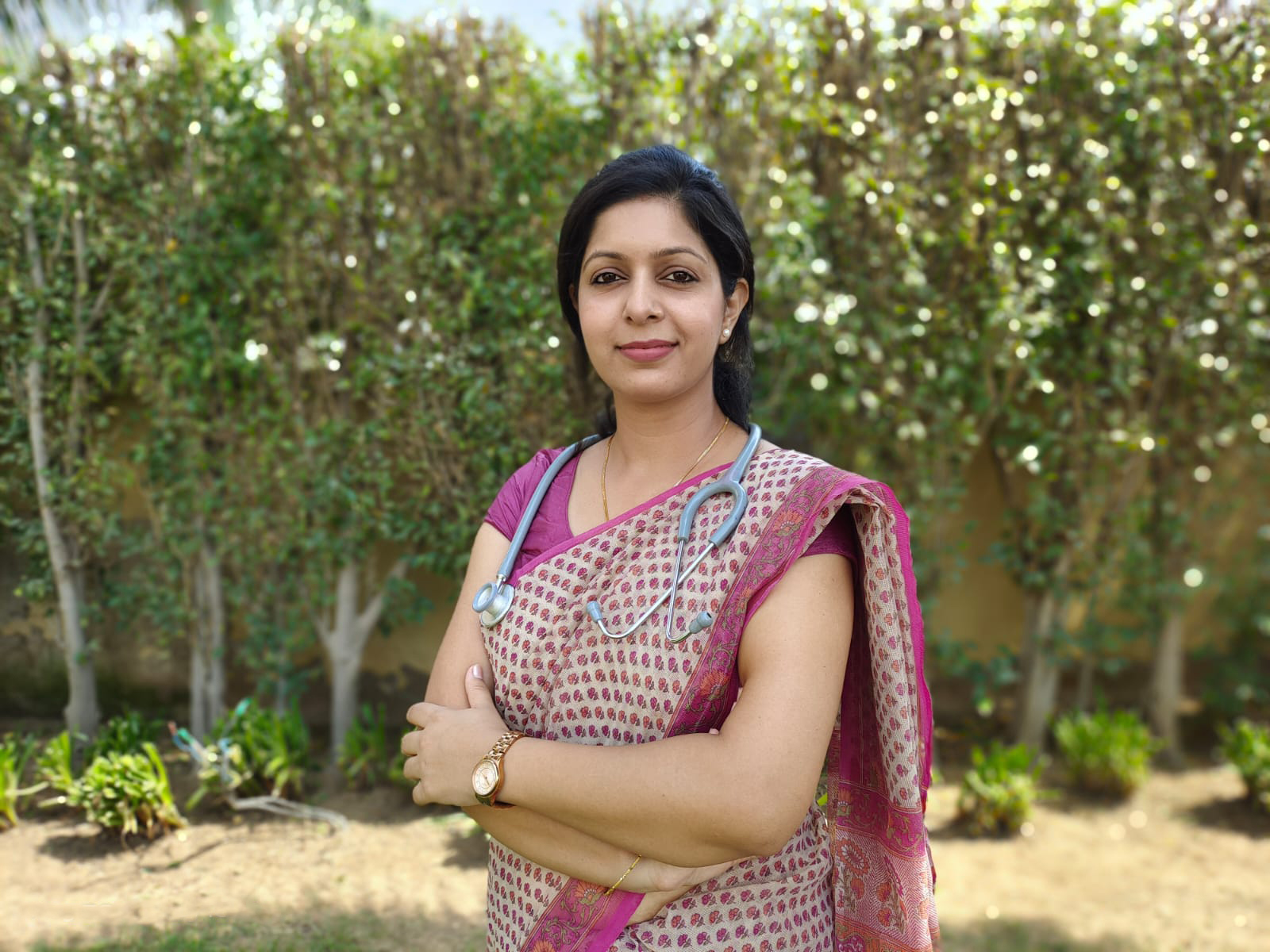
Dr. Era Ayurveda Medical Team
Doctor-reviewed · Gurugram, Haryana
Your first consultation
Have Questions? Talk to Our Doctors.
Get a personalised Ayurvedic assessment — your first consultation is complimentary.
Book a Consultation