PCOS and Ayurveda: Why Panchakarma Produces Results Where Medication Has Not
PCOS affects 1 in 5 Indian women, yet hormonal medication only manages symptoms while they are being taken. Ayurveda targets the metabolic root that drives the condition.
Polycystic Ovarian Syndrome is the most common hormonal disorder in women of reproductive age in India, affecting an estimated 20% of the population. If you have it, the conventional treatment path is well worn: metformin for insulin resistance, oral contraceptives to regulate cycles, clomiphene for ovulation induction if you are trying to conceive, and spironolactone or anti-androgens for hair loss and acne.
These medications work — while you are taking them. Stop them, and the cycles become irregular again, the androgens rise, and the symptoms return. This is the defining limitation of the conventional approach: it manages PCOS without addressing what is driving it.
What Drives PCOS?
Modern endocrinology identifies insulin resistance as the central pathophysiological driver in the majority of PCOS cases. Elevated insulin stimulates the ovarian theca cells to produce excess androgens (testosterone, DHEA), which interfere with follicular maturation and prevent normal ovulation. The result: anovulatory cycles, cysts, irregular periods, and the full clinical picture of PCOS.
Ayurveda arrived at a related understanding through a different route. PCOS maps closely to Aartava Kshaya (diminished ovarian function) and Kapha-Vata Vikriti — a combination of Kapha's tendency to accumulate, obstruct, and create stagnation (cysts, weight gain, sluggish metabolism) and Vata's irregularity disrupting the precise hormonal orchestration required for ovulation.
The common thread: both frameworks identify a metabolic dysregulation — insulin resistance in modern terms, impaired Agni and ama accumulation in Ayurvedic terms — as the upstream cause. Treating only the hormonal manifestation without correcting the metabolism is why symptoms return.
How Panchakarma Addresses PCOS
Virechana (Therapeutic Purgation)
Virechana is the primary Panchakarma procedure for PCOS. It directly targets Pitta and Kapha accumulated in the liver, small intestine, and reproductive channels. The liver is central to hormonal metabolism — it processes and eliminates oestrogen, cortisol, and androgens. When the liver is congested with ama, hormonal clearance is impaired. Virechana clears this congestion systematically, improving the liver's capacity to metabolise hormones correctly.
Patients who undergo Virechana for PCOS often notice changes in their cycle within the first month post-treatment — not because of hormonal supplementation, but because the body's own regulatory capacity is restored.
Basti (Medicated Enema Course)
Basti addresses the Vata component of PCOS — specifically the irregularity of Apana Vata, the downward-moving energy that governs menstruation, ovulation, and elimination. An irregular, suppressed, or erratic Apana Vata is directly correlated with irregular cycles, absent periods, and failed ovulation. A course of Basti re-establishes the rhythmic, downward movement that underlies a regular menstrual cycle.
Udvartana (Herbal Powder Massage)
For PCOS patients with significant insulin resistance and weight, Udvartana — a vigorous dry massage using herbal powders — is prescribed alongside the main Panchakarma procedures. It specifically targets Kapha stagnation in the subcutaneous tissue, improves lymphatic drainage, and has a well-documented effect on reducing adipose tissue and improving insulin sensitivity.
The Internal Protocol
Panchakarma is the intensive phase. It is followed by a structured herbal protocol that your doctors will prescribe based on your specific hormone profile, constitutional type, and primary presenting complaints. Formulations commonly used include:
- ✓Shatavari and Ashoka for oestrogen balance and endometrial health
- ✓Triphala for ongoing metabolic support and insulin sensitivity
- ✓Kanchanar Guggulu for dissolving cystic accumulations
- ✓Varunadi Kashaya for anovulatory presentations
- ✓Pippali and Trikatu formulations to restore Agni
This is not an off-the-shelf PCOS supplement stack. Each formulation is prescribed based on your specific imbalance pattern.
What About Fertility?
If you are trying to conceive, the Ayurvedic approach to PCOS-related infertility is called Garbha Dharana Chikitsa — a protocol specifically designed to improve oocyte quality, restore ovulation, and create a receptive endometrial environment. This combines Panchakarma with Rasayana (rejuvenating therapies) and is ideally begun three to four months before attempting conception.
Our hormonal health programme includes guidance for both cycle regulation and fertility support, designed in consultation with your doctors based on your specific case.
Honest Expectations
Ayurvedic treatment for PCOS is not a quick fix. A meaningful course of treatment — Panchakarma followed by three to six months of herbal protocol and dietary changes — is required to produce lasting change. The difference from conventional management is that when the course is complete, the metabolic correction is sustained. The body has been brought back into balance rather than held there by external hormonal input.
Patients at Era Ayurveda who have followed the full protocol typically see:
- ✓Regularisation of menstrual cycles
- ✓Reduction in androgen-driven symptoms (acne, hair loss)
- ✓Improvement in insulin sensitivity and weight distribution
- ✓Improved energy and reduced mood fluctuation
If you have been managing PCOS for years without a clear path to resolution, a first consultation will give you an honest assessment of what an Ayurvedic protocol could offer for your specific case.
Ready to start your treatment?
Learn more about our approach on our hormonal health treatment page, or book your consultation on WhatsApp.
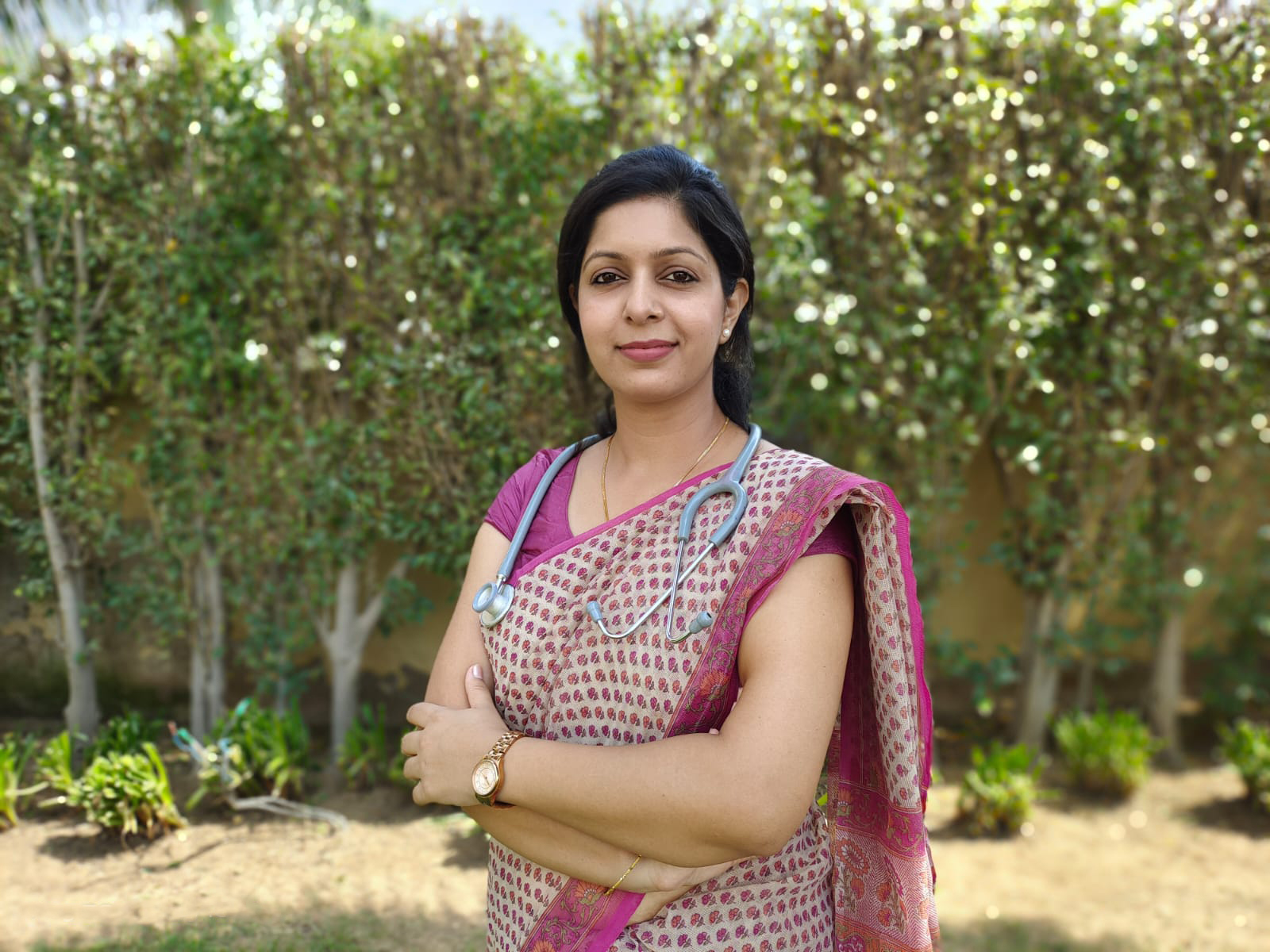
Dr. Era Ayurveda Medical Team
Doctor-reviewed · Gurugram, Haryana
Your first consultation
Have Questions? Talk to Our Doctors.
Get a personalised Ayurvedic assessment — your first consultation is complimentary.
Book a Consultation